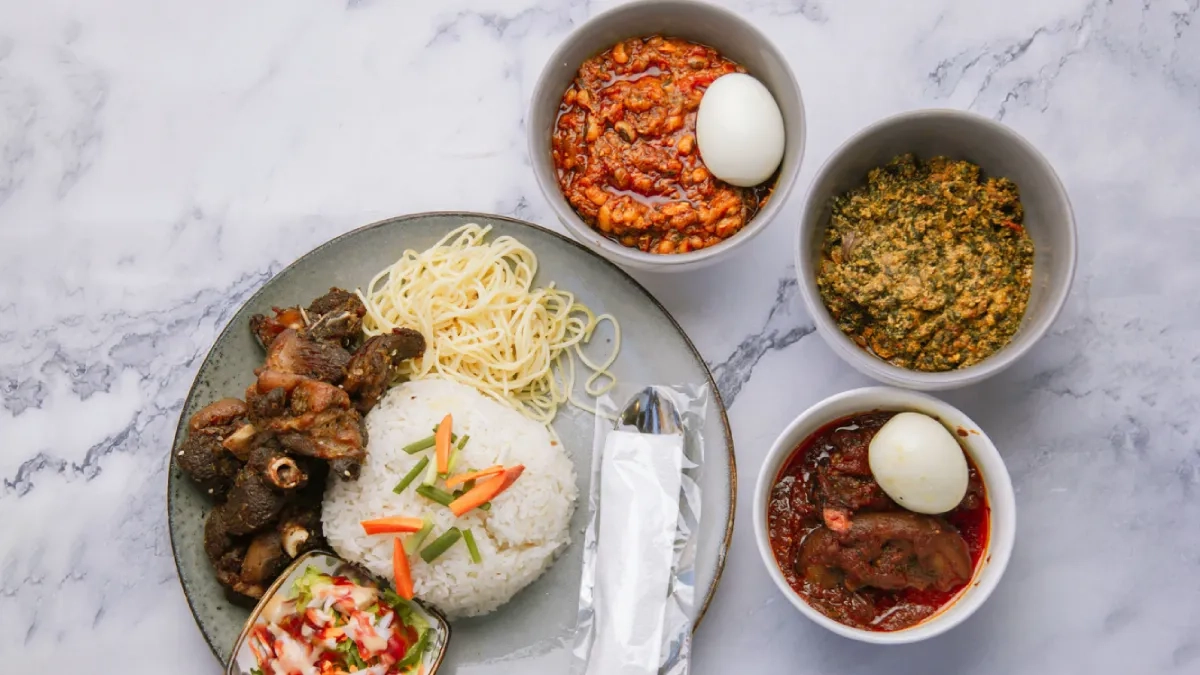
Ghanaian cuisine and American soul food share a deep historical and cultural connection rooted in the transatlantic slave trade. When comparing Ghanaian cuisine and American soul food, it’s fascinating to see the diverse flavors and cooking techniques that are unique to each culture. Both cuisines have their own distinct identity and history, and it’s interesting to explore the similarities and differences between them.
Here are some key links between Ghanaian foods and American soul food:
1. Ingredients and Cooking Techniques
Okra, black-eyed peas, yams, sweet potatoes, collard greens, and rice are all common ingredients in both Ghanaian and American soul food recipes. Enslaved Africans introduced these foods to the Americas, where they later became staples of the African American diet.
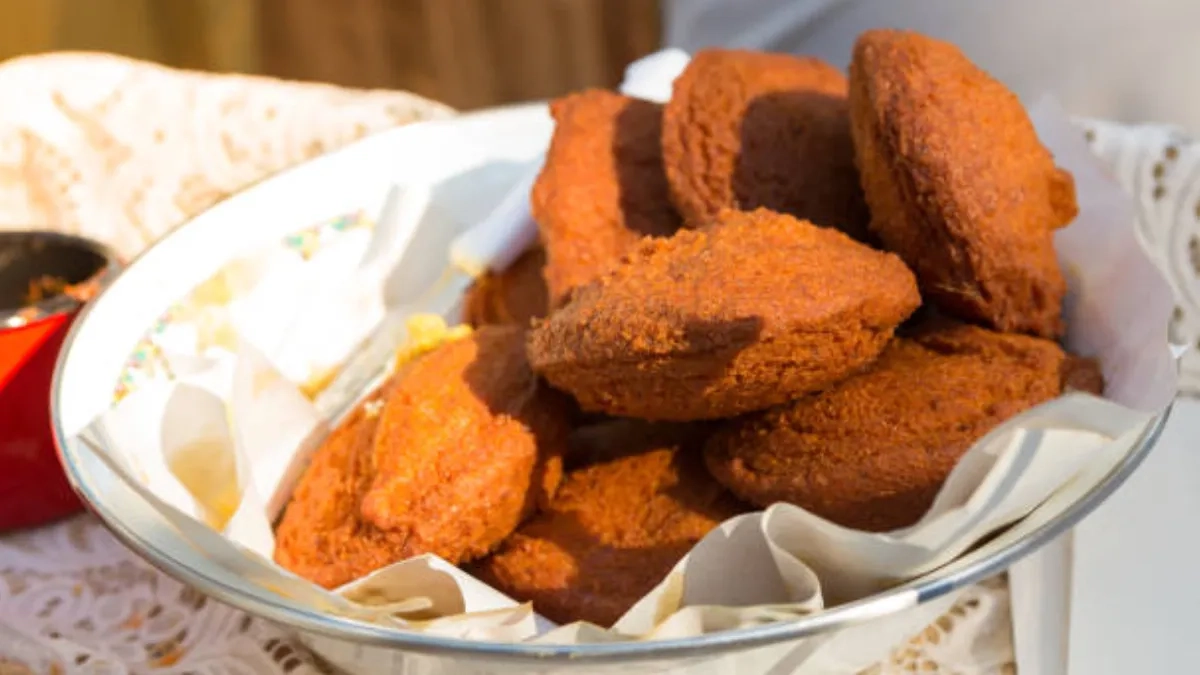
Many cooking techniques in soul food, such as frying, stewing, and slow cooking, have their roots in African culinary traditions. For example, frying food, particularly in deep oil, is common in both Ghanaian and soul food cuisines, including dishes such as Ghanaian “koose” (bean cakes) and American fried chicken.
2. Dishes
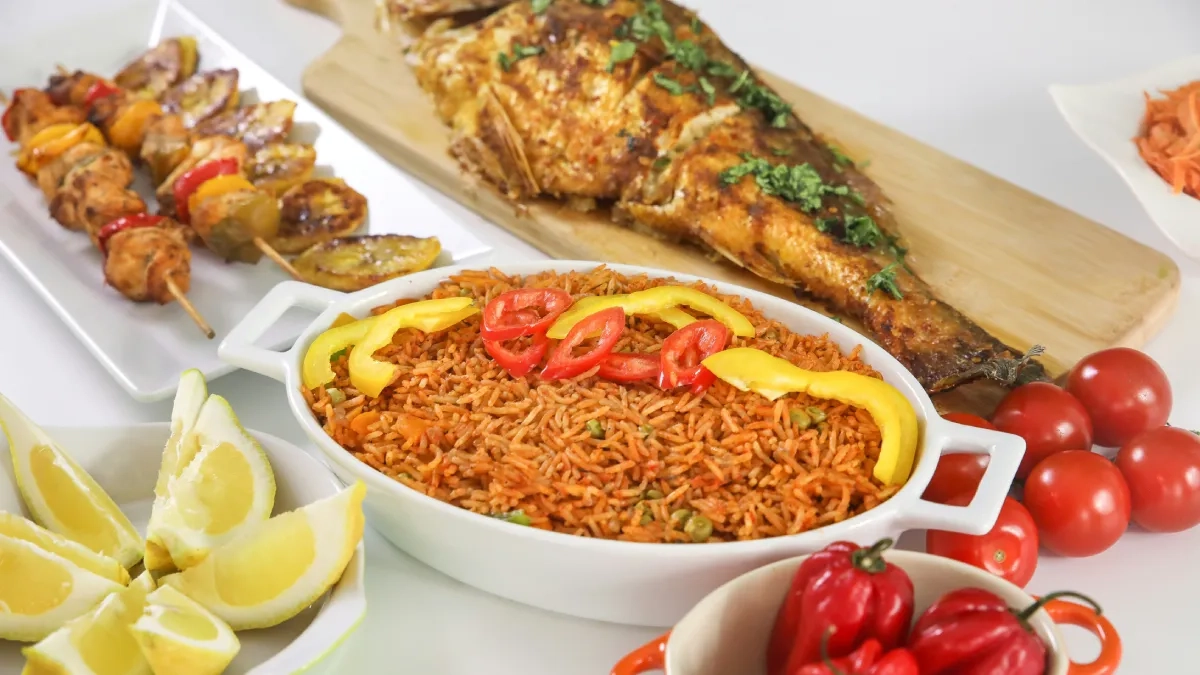
Jollof rice, a traditional West African delicacy, is comparable to American Lowcountry red rice, which originated in the Gullah culture of the Southeastern United States. Both meals have rice cooked in a tomato-based sauce with spices and frequently include veggies and meat.
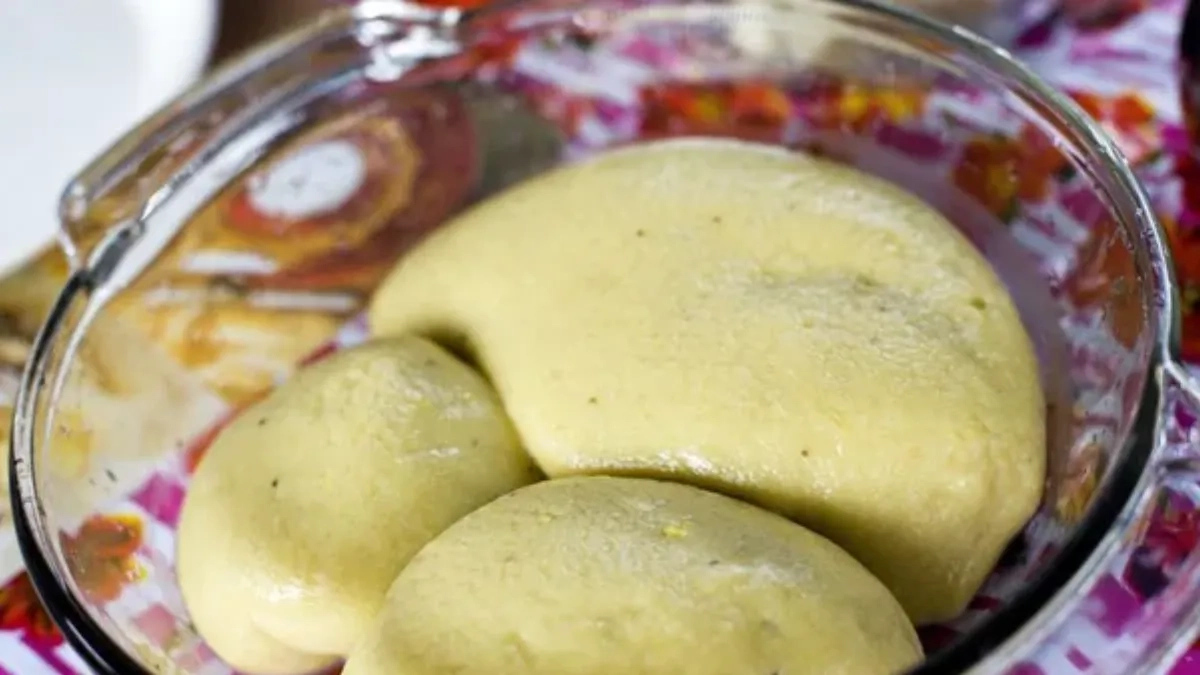
Fufu and Dumplings: Fufu, a starchy side dish made from cassava, yam, or plantains, is similar to soul food dumplings, typically made from flour, served with stews and soups.
Okra Stews and Gumbos: Okra, a key ingredient in Ghanaian stews and American gumbos, particularly in Southern and Creole cuisine, serves as a thickener and is commonly prepared in stews.

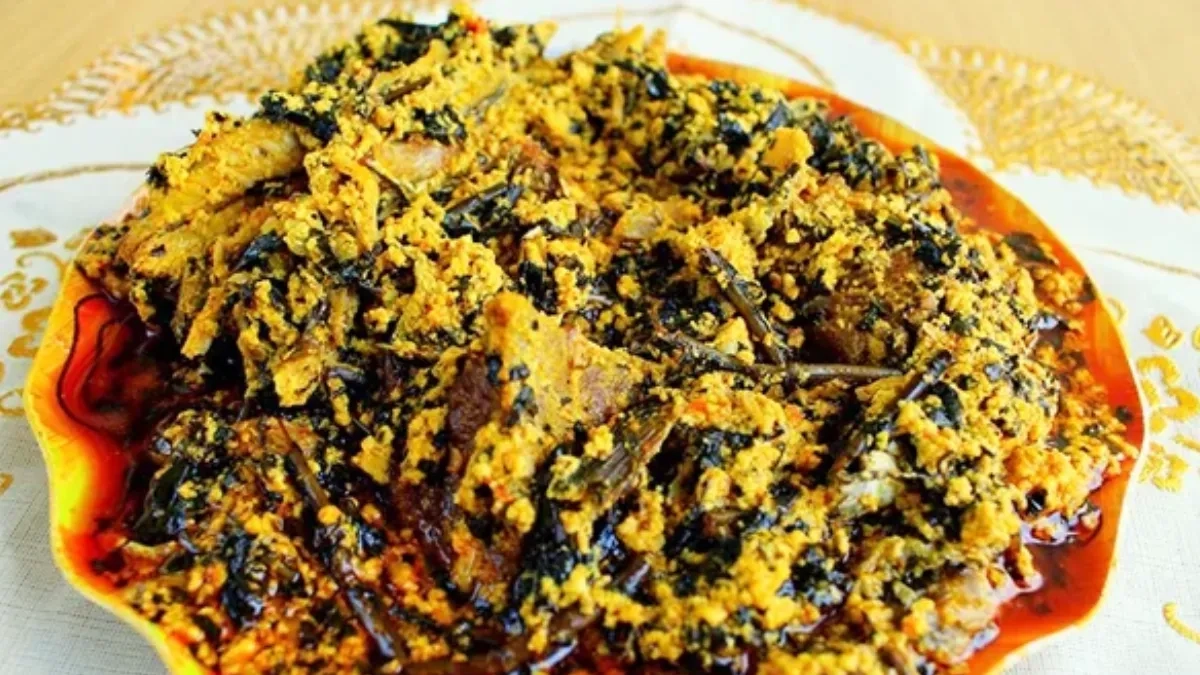
Kontomire and Collard Greens: Collard greens are rougher and bitter, while kontomire is softer and has a similar flavor to spinach with a slight bitterness that can be reduced through cooking. Both leafy green vegetables have distinct origins and cooking applications. Collard greens are typically slow-cooked alongside smoked meats or other seasonings to make salads, soups, and stews. Kontomire is more widely used in African stews such as “Kontomire stew(Palava sauce),” and soups.
3. Preservation and Adaptation
Ghanaian cuisine and American soul food share a heritage of resourcefulness, using available ingredients to make nutritious and delectable meals. Soul food exemplifies this by incorporating less palatable portions of meat (such as pork hocks or chitlins) or vegetables into cherished meals through imaginative transformation. Similarly, Ghanaian recipes frequently employ local, easily available materials in novel ways.
4. Cultural Significance
Food is fundamental to Ghanaian and African American traditions, as it is to community, family reunions, and cultural festivities. Meals are frequently shared and cooked in great quantities, acting as a conduit for storytelling, cultural transmission, and social bonding.
5. Use of Spices and Seasonings
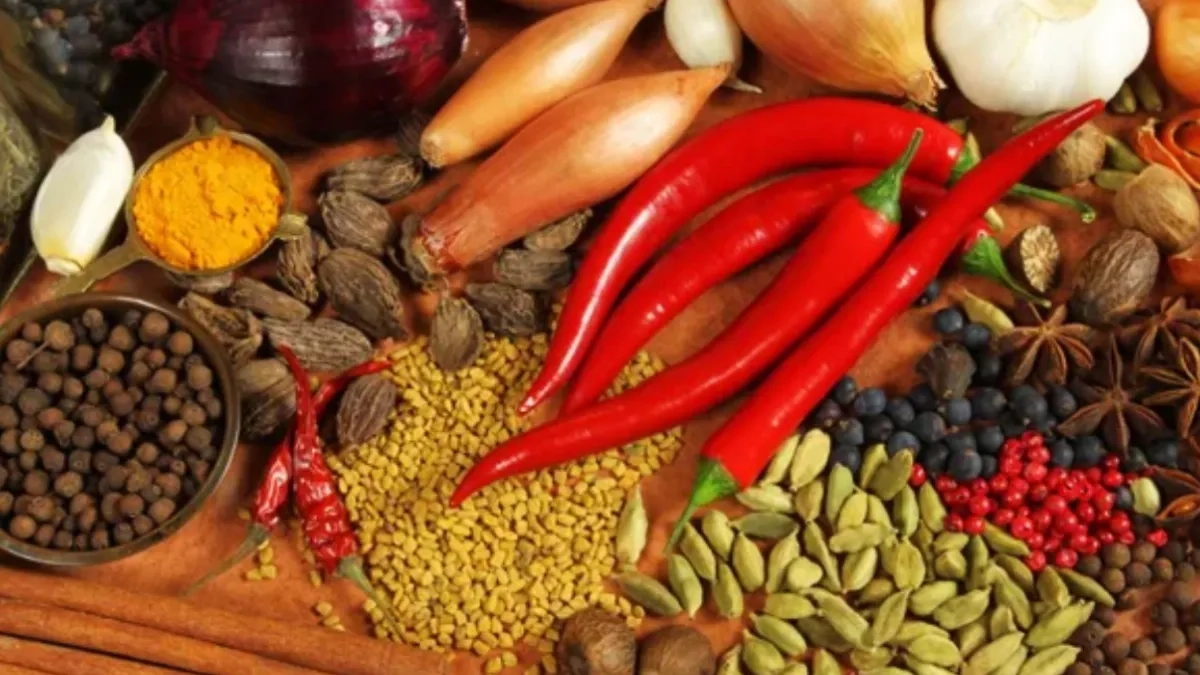
Both cuisines rely extensively on spices and seasonings to enhance their flavors. Ghanaian cuisine frequently includes spices such as ginger, garlic, chili peppers, and onion, whereas soul food contains similar seasonings such as garlic, onion powder, paprika, and cayenne pepper, showing a shared African culinary background.
6. Historical Roots
Ghanaian and African American cuisines are a testament to the resilience and adaptability of African cultures in the Americas. Both emerged from necessity and inventiveness, providing nutritious meals amidst challenging conditions. Their relationship demonstrates the lasting legacy of African culture and its diverse culinary heritage.